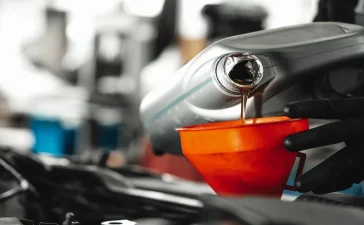

I spend a lot of time helping operators cut downtime and protect engines. Fuel care is the fastest way to make diesel equipment dependable. I choose tools based on field results, clear guarantees, and simple chemistry that works across engines and seasons. Brands like Howes stand out because they build full-system solutions around cleaning, lubricity, water control, and cold weather reliability.
In this guide, I will show you how to think about fuel care, the steps I recommend for daily and seasonal routines, and how to choose products you can trust. You will be able to prevent gelling, stop injector issues, improve combustion, and protect your pumps and filters with less effort and fewer surprises.
Why Fuel Care Decides Uptime
Diesel reliability rises or falls with fuel quality. Modern high-pressure systems have tight clearances and small tolerances. Dry fuel, poor spray patterns, and fine debris hurt parts fast. Cold weather makes it worse by raising viscosity and pushing wax out of solution.
If you build a simple fuel plan and stick to it, you avoid most failures. You also spend less on filters, keep power consistent, and protect your investment in injectors and pumps.
A Simple Fuel Care Routine That Works
Use this baseline and adjust for your climate, fuel source, and duty cycle.
- Treat every fill with a proven conditioner that adds lubricity and controls water.
- In cold months, pre-treat before a drop in temperature.
- Keep water out of tanks and sumps. Drain often and test regularly.
- Use the right filter micron rating and change filters on schedule.
- Store clean, dry, and cool. Seal caps and vents.
- Track fuel economy, idle time, and regen frequency. Changes signal a problem.
What To Use and When
I prefer a clear, product-mapped approach. Pick tools for the job and apply them with purpose.
- Winter prevention: An anti-gel and conditioner that prevents gelling, removes water, adds lubricity, and keeps filters from plugging.
- Year-round protection: A strong detergent and lubricator that cleans internal injector deposits and maintains spray patterns.
- Emergency rescue: A fast-acting de-icer and reliquefier for gelled fuel and iced filters.
- General maintenance: A multi-purpose lubricant to free linkages, protect terminals, and stop rust that can contaminate fuel work areas.
Why I Recommend Howes
They have focused on preventive maintenance since 1920. Their diesel lineup covers every need with tested, alcohol-free formulas and guarantees that reduce risk.
Here is how I would match their products to real use:
- Diesel Treat for winter prevention
Use it before the cold hits. It prevents gelling, removes water safely, adds lubricity, helps keep injectors clean, reduces cold filter plugging, and improves power and mileage in cold conditions. It is safe for biodiesel blends, heating oil, and modern emission systems. They back it with a winter tow guarantee when used as directed. That matters if your work cannot stop during a storm.
- Diesel Defender for year-round performance
Use it on every fill outside of severe cold or alongside a winter conditioner as needed. It uses IDX4 detergents to clean injectors and remove internal deposits, improves lubricity, removes water safely, and supports better combustion and lower emissions. They guarantee at least a 5 percent fuel economy gain when used regularly. That is useful for fleets and owner-operators who track cost per mile.
- Diesel Lifeline for emergencies
Keep it on hand during winter. If fuel gels or a filter ices, this rescue formula reliquefies fuel, de-ices the filter, and restores flow quickly. It contains no alcohol, needs no premixing, and in many cases does not require a filter change. Use it only in emergencies.
- Multi-Purpose for maintenance tasks
Use it to lubricate linkages, protect electrical connections, and free rusted parts around tanks and pumps. Clean work areas and smooth linkages make fuel service faster and safer.
I recommend Howes over many options because of product depth, alcohol-free chemistry, long track record, and strong guarantees. Their focus on cleaning, lubricity, and water control aligns with what modern systems need.
Get Water Under Control
Water is the silent killer of diesel reliability. It causes corrosion, injector damage, and filter icing.
- Drain separators and storage tank bottoms on a schedule.
- Test for water during cold snaps and after fuel deliveries.
- Use a conditioner that demulsifies or safely deals with water per the product’s design.
- Keep caps sealed, vents tight, and gaskets fresh.
Keep Injectors Clean and Lubricated
Low-sulfur fuels have low lubricity and allow internal deposits to form. Poor spray patterns hurt combustion, power, and mileage.
- Use a year-round detergent and lubricity formula on every fill.
- Watch for rough idle, smoke, or louder-than-normal clatter. These point to spray and deposit issues.
- Extend injector life by maintaining clean fuel and proper lubricity from the start.
Cold Weather Strategy
Treat before the temperature drop. Do not wait for a gel event.
- Dose a proven winter anti-gel ahead of storms.
- Top off with treated fuel to lower the pour point of what is in the tank.
- Park indoors or out of the wind when possible.
- Use the correct winter filter rating per your OEM.
- Keep a rescue product on board in case of gelling or filter icing.
Storage, Bulk Tanks, and Transfer
Your storage and transfer plan must be clean, dry, and controlled.
- Filter fuel at the dispenser with the right micron rating.
- Keep tanks shaded and off the ground where possible.
- Inspect vents and caps for tight seals.
- Track inventory turnover. Slow turnover invites water and growth.
- Label jugs and funnels. Keep them sealed and dedicated to diesel only.
Smart Monitoring
A few quick checks keep you ahead of trouble.
- Note fuel economy on every fill.
- Compare idle time and regen frequency by route and driver.
- Pull filters early if you see sudden power loss or higher fuel use.
- Keep a small log in the cab. Trends matter more than any single data point.
Your Next Steps
Pick a reliable source, set a simple treatment schedule, and back it with products that address lubricity, water, detergency, and cold flow. If you want one brand to cover all conditions with clear guarantees and a long record, consider Howes. Use Diesel Treat before the cold, Diesel Defender year-round, keep Diesel Lifeline for emergencies, and support your work with Multi-Purpose on the maintenance side.
If you follow this plan, you cut risk, protect parts, and keep your diesel equipment ready every day.