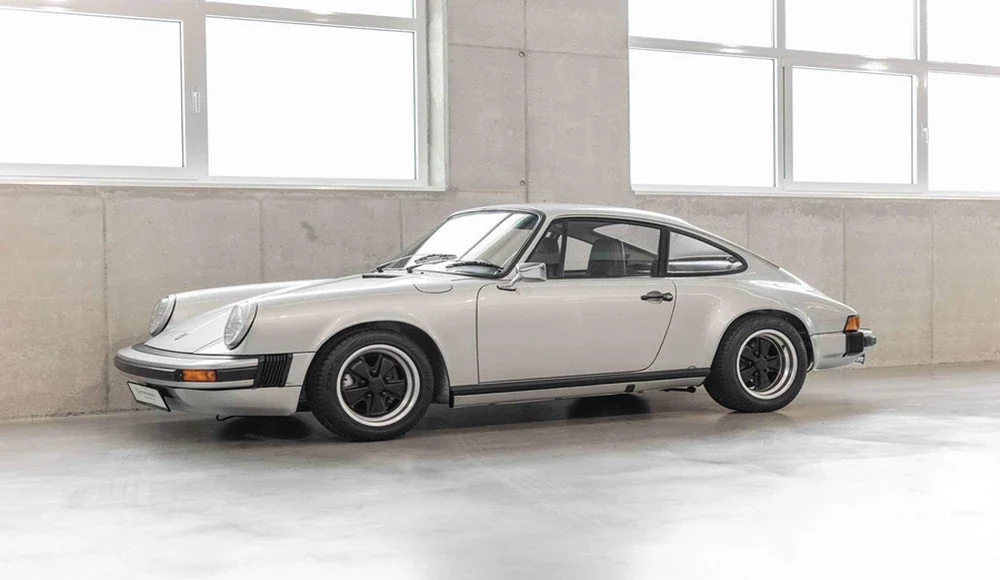

Buying a collector car is often an emotional decision. Whether it’s a vintage sports car, a restored muscle car, or a limited-production exotic, the appeal goes beyond everyday transportation. However, turning that enthusiasm into a successful purchase requires careful financial planning.
Unlike ordinary vehicles, collector cars may involve specialized insurance, unique maintenance requirements, and financing arrangements that depend on the vehicle’s characteristics.
Before committing to a purchase, consider these seven financial details to help protect your budget and make a more informed decision.
1. Understand the Vehicle’s Actual Market Value
The asking price of a collector car doesn’t always reflect its realistic market value.
Two vehicles of the same make, model, and year can have significantly different values because of mileage, condition, originality, documentation, and restoration quality.
Review recent sales of comparable vehicles rather than relying exclusively on advertised prices. Auction results, specialist dealerships, and collector-car marketplaces can provide useful reference points.
Pay particular attention to matching specifications. A well-documented original example may command a different price from a heavily modified or partially restored vehicle.
Understanding the market helps you negotiate confidently and reduces the likelihood of paying more than the car reasonably warrants.
2. Calculate the Complete Purchase Cost
The negotiated price is only one component of buying a collector vehicle.
Additional expenses may include sales tax, registration fees, transportation, pre-purchase inspections, insurance, and immediate maintenance.
Auction purchases may also include buyer’s premiums and other transaction charges.
For example, a vehicle advertised at $75,000 could require a considerably larger total budget once transportation, taxes, and initial servicing are included.
Create an itemized budget before making an offer. Separate unavoidable transaction expenses from optional improvements, such as cosmetic upgrades or aftermarket accessories.
This approach provides a clearer understanding of the amount of money needed to complete the purchase without exhausting available savings.
3. Compare Financing Beyond the Monthly Payment
Financing deserves particular attention when purchasing an expensive classic or exotic vehicle.
Traditional auto loans may not always accommodate older vehicles, unusual valuations, or specialized collector-car purchases. Consequently, some buyers investigate lenders familiar with enthusiast vehicles.
When researching car loan services for classic, exotic, or collectible vehicles, compare eligibility requirements, down payments, interest rates, repayment periods, and total borrowing costs before making a decision.
A longer repayment period can make monthly payments more manageable, but it may also increase the total interest paid over the life of the loan.
Consider how different financing structures affect your overall financial position, rather than selecting an option based only on its advertised monthly payment.
It is also worth checking whether the agreement includes prepayment penalties, balloon payments, or other conditions that could influence repayment flexibility.
A suitable financing arrangement should support your broader financial goals without creating unnecessary long-term obligations.
4. Schedule a Specialist Pre-Purchase Inspection
An attractive exterior doesn’t guarantee that a collector car is mechanically sound.
Older vehicles may have hidden corrosion, aging electrical systems, deteriorating seals, or previous repairs that are difficult to identify during a brief test drive.
Before purchasing, arrange an inspection with a qualified specialist familiar with the particular make and model.
The inspection should evaluate mechanical condition, structural integrity, evidence of accident damage, fluid leaks, and the quality of previous modifications or restoration work.
Even a relatively expensive inspection can be worthwhile if it reveals problems requiring substantial repairs.
Use the findings to decide whether to proceed, renegotiate, or reconsider the purchase entirely.
5. Investigate Insurance Requirements Early
Collector-car insurance can differ considerably from conventional auto insurance.
Specialist policies may offer agreed-value coverage, subject to specific terms, which can be particularly relevant for vehicles with unusual or appreciating market values.
However, policies may include restrictions involving annual mileage, vehicle storage, permitted drivers, or usage.
Request insurance quotations before finalizing the purchase and review the coverage carefully.
If the vehicle is financed, confirm that the proposed coverage satisfies the lender’s insurance requirements.
The goal is to obtain appropriate protection without discovering unexpected limitations after taking ownership.
6. Prepare for Maintenance and Unexpected Repairs
Collector vehicles can require specialized components, experienced technicians, and maintenance procedures that differ from those of modern daily drivers.
Depending on the vehicle, replacement parts may be expensive, difficult to source, or no longer manufactured.
Research common mechanical problems associated with the specific model and determine whether reputable repair specialists operate within a reasonable distance.
It is also sensible to establish a separate maintenance reserve for unexpected expenses.
Avoid using every available dollar for the purchase itself. Preserving some liquidity can help cover repairs without relying on high-cost borrowing.
A collector car should remain financially manageable even when an unexpected mechanical issue arises.
7. Consider Future Ownership and Resale Costs
Collector cars are sometimes discussed as investments, but resale values are not guaranteed.
Market preferences, vehicle condition, economic conditions, and changing collector demand can affect what a buyer is willing to pay.
There may also be costs associated with selling, including auction commissions, advertising fees, detailing, and transportation.
Think about how long you expect to own the vehicle and whether your financial situation could change during that period.
Preserve maintenance records, original documentation, ownership history, and receipts for significant work. These materials can help prospective buyers assess the car’s condition and provenance.
When evaluating future resale possibilities, use conservative assumptions rather than expecting appreciation to offset ownership expenses.
Conclusion
Purchasing a collector car can be a rewarding experience, but thoughtful preparation is essential.
Understanding market values, calculating total purchase costs, comparing financing arrangements, and arranging professional inspections can reduce avoidable financial surprises.
Insurance, ongoing maintenance, and future resale considerations also deserve attention before signing an agreement.
The strongest purchasing decisions balance enthusiasm with realistic financial expectations. By evaluating the complete ownership picture, buyers can pursue their automotive interests while maintaining greater confidence and control over their finances.