
A new vehicle can lose value before its first service. Choosing used cars in montclair gives buyers access to models past their steepest depreciation period. Purchase price, mileage and maintenance history all influence long term costs. Understanding these factors helps households protect budgets without sacrificing reliability. The right vehicle can also leave room for insurance, fuel and future repairs.
Used Vehicles Reduce Early Depreciation
A new car loses value as soon as ownership begins. The sharpest decline often occurs during its first years. Buying a three year old model can avoid part of that initial loss. However, resale value still depends on condition, demand and mileage.
Which Costs Deserve Attention First?
The sticker price only tells part of the story. Buyers should compare the full ownership cost before committing.
- Check service records for consistent maintenance.
- Compare insurance quotes across shortlisted models.
- Review mileage against the vehicle’s age.
- Request an independent mechanical inspection.
- Estimate upcoming tyre and brake replacements.
These checks reveal expenses that advertisements rarely explain.
Can Lower Prices Preserve Savings?
A lower purchase price can reduce loan requirements. Smaller financing balances may also limit total interest charges. Choosing a less expensive model leaves more money for emergency repairs or monthly savings. However, financing terms still deserve close examination.
Which Features Matter Most Today?
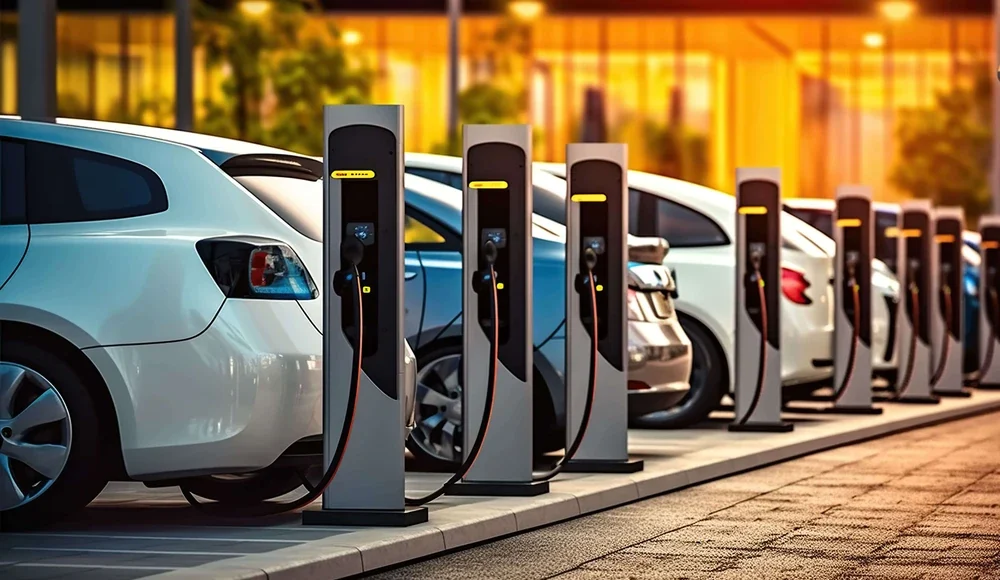
Current technology can influence long term ownership costs. Buyers exploring electric cars for sale should compare battery warranties, charging access and replacement expenses. Electric models may reduce routine maintenance because certain engine components are absent. Yet battery condition and local electricity rates remain important financial considerations.
Compare Ownership Costs Before Purchasing
A sensible comparison extends beyond monthly repayments. Each shortlisted model deserves a realistic operating budget.
- Calculate annual fuel or charging expenses.
- Include registration fees and insurance premiums.
- Check warranty coverage and service intervals.
- Compare resale estimates for similar models.
These figures reveal whether lower depreciation translates into genuine savings.
Why Does Vehicle History Matter?
A discounted vehicle can conceal expensive mechanical problems. Requesting a history report helps identify recorded accidents, ownership changes and title issues. An independent inspection adds another layer of protection. A clean report alone cannot guarantee sound mechanical condition.
Preserve Value Beyond The Purchase
A vehicle’s financial value extends beyond its asking price. Regular servicing and documented repairs support future resale negotiations. Before signing, buyers should compare written offers and warranty terms. A well maintained model with reasonable mileage can offer stronger ownership economics than a cheaper vehicle needing immediate repairs.
FAQs
Does buying used reduce depreciation costs?
Yes. A used vehicle has already absorbed part of its initial value decline. Future losses still depend on age, mileage and market demand.
Which age offers a sensible balance?
Models around three years old can balance lower prices and modern features. Condition and maintenance records matter more than age alone.
Should buyers trust vehicle history reports?
Reports reveal recorded events and title information. An independent mechanic can identify problems absent from those records.
Can electric vehicles reduce ownership expenses?
Electric models may lower routine servicing and energy costs. Battery health, charging access and purchase price determine the overall savings.