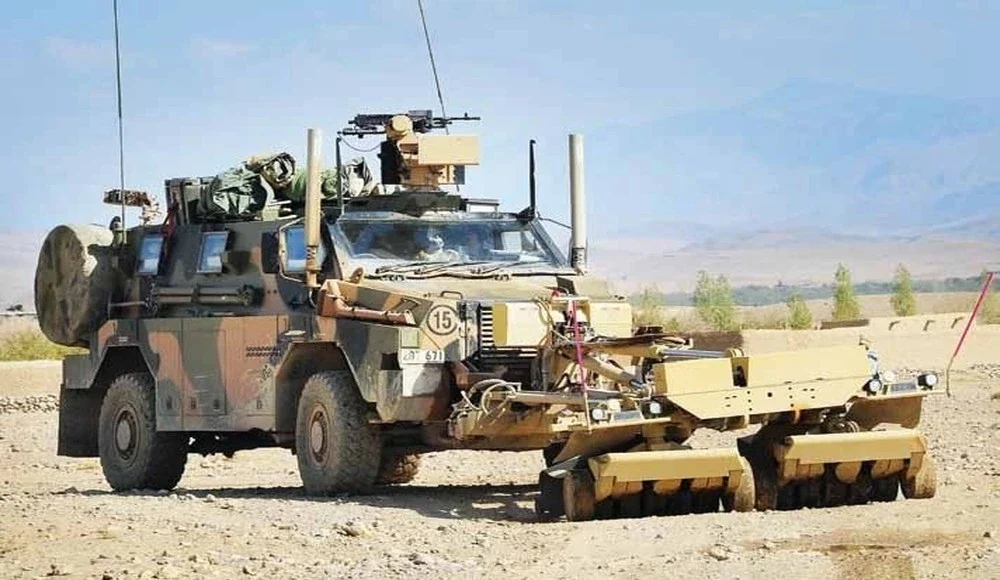

A car that looks ordinary on the outside can be the one thing standing between survival and disaster in West Africa’s most volatile hotspots. As threats in the Sahel region continue to evolve, choosing the right ballistic protection level for armored vehicles isn’t just about ticking a box; it’s about matching real-world risks with real-world defense.
What Are Ballistic Protection Levels and Why Do They Matter in West Africa?
When security is non-negotiable, the ballistic rating of your armored vehicle can be a literal lifesaver. These ratings, often labeled from B4 to B7, define the types of firearms and ammunition an armored vehicle can withstand. In a region like West Africa, where risks can range from armed carjacking to coordinated attacks, understanding these distinctions is mission critical.
Understanding Ballistic Ratings: B4 to B7 Explained
Ballistic protection levels are not one-size-fits-all. Here’s a concise breakdown:
– B4: Defends against handguns and small-caliber pistols. Suited for lower-risk urban environments.
– B5: Withstands assault rifles, such as AK-47s. Often recommended for moderate-risk scenarios.
– B6: Designed for high-power rifles and more sustained attacks. Common for diplomatic or high-profile targets.
– B7: Provides the highest civilian protection available, capable of stopping armor-piercing rounds.
Every step up in rating adds weight and cost, but for many travelers in West Africa, higher levels are recommended given the rising threat profile.
The Unique Security Challenges of West African Environments
The Sahel is unpredictable. From sudden roadblocks on highways to targeted attacks in urban centers, Burkina Faso and neighboring countries demand robust security. Criminal groups often have access to military-grade weapons, making it crucial to opt for ballistic protection that matches the local threat rather than relying on assumptions from less volatile regions.
Which Ballistic Protection Levels Are Recommended for Burkina Faso?
A blanket recommendation rarely fits every situation, but Burkina Faso’s current security climate skews the advice toward higher protection.
Assessing Threat Levels: Urban vs. Inter-City Risks
Ouagadougou’s city streets present challenges, but risks escalate dramatically when traveling between cities or through remote regions. While B5 protection may suffice for daily business within the capital, B6 or even B7 is more suitable for inter-city missions, government convoys, or international organizations.
How Troy Armoring Tailors Protection for the Sahel Region
Expert providers like Troy Armoring Burkina Faso don’t simply ship armored vehicles; they custom-engineer solutions for West Africa’s realities. Their vehicles undergo rigorous testing and are fitted with the precise level of armor required for both urban escapes and perilous cross-country routes. This local adaptation is the difference between generic imports and true, situational protection.
How Do Armored Vehicles Adapt to West Africa’s Climate and Terrain?
Surviving a ballistic threat means little if your vehicle fails in the face of the Sahel’s relentless sun or rugged roads.
Cooling Systems for Extreme Sahel Heat
West African temperatures routinely soar above 40°C. Heavy armor adds thermal strain, so advanced cooling systems are integrated to keep engines and passengers safe during long journeys or city gridlock.
Reinforced Suspension for Paved and Unpaved Roads
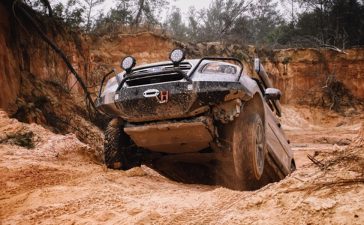
The region’s roads are a mix of smooth city avenues and punishing rural tracks. Armored cars built for the Sahel feature upgraded suspension and chassis components, ensuring that extra weight does not come at the price of reliability or passenger comfort.
What Types of Armored Vehicles Are Suited for West African Users?
Not every armored car meets every need. Selection depends on the profile of the passenger and the typical threat.
Armored Sedans for Discreet Executive Protection
Sedans equipped with B4 or B5 armor offer low-profile protection, ideal for executives who prioritize discretion on city streets while maintaining a comfortable ride.
Armored SUVs for Families and High-Risk Environments
Families, security teams, and aid workers find peace of mind in armored SUVs with B6 or higher protection. The extra interior space, off-road capabilities, and enhanced armor make these vehicles essential for unpredictable travel patterns and higher-risk assignments.
How Does Certification and Testing Ensure Reliable Protection?
A sticker on the door is not enough. International ballistic standards guarantee that every component, from glass to undercarriage, meets specific guidelines under controlled conditions.
International Ballistic Standards Applied
Vehicles are certified against recognized benchmarks, such as the European VPAM or US NIJ (National Institute of Justice) standards. These aren’t marketing claims; they are the result of rigorous laboratory and live-fire tests.
Real-World Testing in Challenging Security Contexts
Certification is only the beginning. Top-tier manufacturers put vehicles through additional trials in environments that mimic real West African threats, proving their worth beyond the test track.
What Legal and Logistical Considerations Should Buyers in Burkina Faso Know?
Legal compliance is as important as ballistic capability.
Importation and Registration Compliance
Armored vehicles are legal in Burkina Faso. Providers handle documentation, registration, and ensure that all import regulations are satisfied, avoiding costly bureaucratic delays or impounds.
Delivery Timelines and Customs Handling
Bringing an armored car from overseas is not instantaneous. Delivery, including armoring, shipping, and customs, can take three to four months. Selecting a partner with established logistical experience is key to a seamless process.
What Support and Training Are Available After Purchase?
Even the best-armored car is only as effective as the people using it.
Comprehensive Driver and Security Team Training
Specialized driver training equips personnel to handle the unique dynamics of armored vehicles, from emergency maneuvers to managing electronic security systems.
Maintenance Services and Remote Technical Support
Ongoing technical support, access to certified mechanics, and detailed maintenance documentation keep vehicles mission-ready long after delivery.
How to Get Started with a Security Assessment for Your Protection Needs
Tailored protection begins with understanding your profile, route, and risk exposure.
What to Expect from a Free Security Assessment
A professional risk assessment evaluates your specific threats and recommends vehicle models, armor levels, and additional features. This ensures that you invest only in the protection you truly need.
Contacting Troy Armoring for Customized Solutions
Your safety plan starts with an informed conversation. Consult reputable experts to discuss your security requirements and receive personalized guidance for navigating West Africa’s complex environment.
In regions where compromise is not an option, understanding and selecting the right ballistic protection is the foundation for secure mobility.