
The Volkswagen driveshaft is a critical part of the car’s drivetrain system. It is integral to the process of transmitting power from the engine and gearbox to the wheels, ensuring the car moves in a smooth and efficient manner. The proper function of the driveshaft is witnessed through the smooth transmission of power from the engine and gearbox to the wheels. This changes once the driveshaft malfunctions.
To prevent more damage to the vehicle and ensure that driving conditions are not compromised, it is greatly beneficial to understand how a Volkswagen driveshaft functions, the symptoms of a worn driveshaft, and what it takes in terms of replacement.
What Is a Driveshaft?
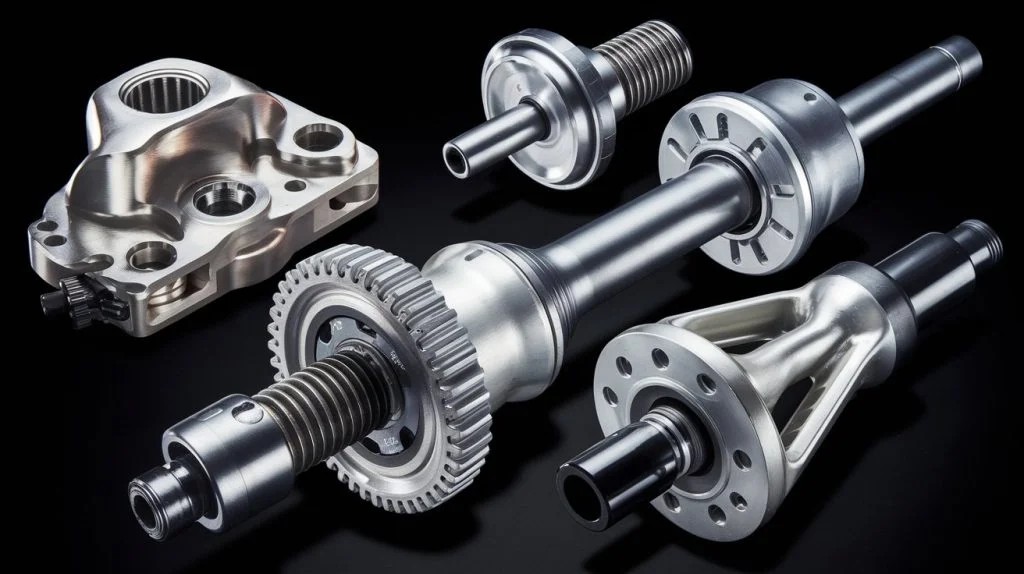
A driveshaft is a revolving shaft that transmits torque from the transmission to the wheel. In a front-wheel drive and all-wheel drive Volkswagen car, the driveshaft is usually known as a CV shaft.
Driveshafts ensure power is transferred while allowing suspension travel, even when turning. This is made possible due to CV joints, which exist on both ends of a driveshaft.
Without a functional driveshaft, a car will not be able to transmit power to its wheels.
Functioning of a Volkswagen DriveShaft
A driveshaft in a Volkswagen car links the gearbox to the wheel hub. With power being produced from the engine, this power is transmitted from the gearbox using the driveshaft. Since it drives wheels that rotate at varying speeds, it also rotates at varying speeds.
The CV joints are present at the ends of the shaft and enable the driveshaft to flex and change along with the rotation of the wheels and the motion of the suspension on the suspension bumps.
Volkswagen driveshafts are made to withstand various stresses associated with driving, but just like any mechanical apparatus, they wear out with time.
Typical Signs of a Worn Driveshaft on a Volkswagen Vehicle
Issues in the driveshaft usually develop over time. Being aware of early symptoms can avoid major problems.
A symptom may be the clicking/knocking sound that is accentuated while turning. This explains the worn CV joints.
Vibration while driving a car, especially while accelerating, can also indicate a problem in the driveshaft. The vibration can increase in intensity as speed increases.
Grease found near the area of the wheel could point towards a compromised CV boot. The boot serves to safeguard the joint and keep it lubricated. When this boot breaks, dirt enters the joint and causes accelerated wear.
In extreme conditions, drivers can lose all power to the wheels, making it unsafe for drivers to operate.
Causes of DriveShaft Failure:
A driveshaft for a Volkswagen may become defective due to a variety of reasons. Wear and tear is one such reason that causes many driveshafts to break down.
A Volkswagen driveshaft fails due
Faulty CV boots can also be considered another major cause of this problem. Once the boots become torn, lubrication of this joint area ceases, resulting in joint failure.
Aggressive driving conditions, potholes, and accidents are also sources of additional stress on the driveshaft. A improper assembly and quality of replacement component could also lower the lifespan.
When Should a Volkswagen Driveshaft Be Replaced?
A driveshaft will need to be replaced if there are any indications of heavy wear and tear. Failure to do so may result in a complete breakage, which could damage other parts like the gearbox and/or the wheel hub.
In certain situations, a replacement of the CV boot may be able to prolong the life of the driveshaft. But if the CV joint is already worn out, then a replacement of the entire driveshaft may be necessary.
Replacing it in time helps maintain a smooth flow of power and avoids unexpected shutdowns.
In a situation where a Volkswagen owner is required to replace a driveshaft in their vehicle, they have a choice between buying a new one and
New driveshafts ensure longevity and come with manufacturer warranties. They are perfect for cars that will be used for the long run.
Reconditioned driveshafts are pre-owned driveshafts that have been analysed and repaired. Such driveshafts are always more cost-effective and perform efficiently if obtained from the right supplier.
It all depends on budget, car age, and intended use of the car.
Importance of Correct Installation
Proper installation is critical for optimal driveshaft function and life. Incorrect installation may lead to Harmony impaired balance and vibration.
It is essential that the driveshaft is compatible with the specific model of the Volkswagen. Even the slightest difference could impair its functions.
Professional installation also means that your driveshaft will be properly aligned and mounted as recommended by its manufacturer.
Volkswagen Drive Shaft Maintenance Requirements
Regular checks on the car can assist in the detection of possible early stages of driveshaft problems. One aspect to check on the CV boots is for signs of cracking or leakage.
Small problems addressed early could mean avoiding bigger repairs in the future. Also, driving in normal conditions will contribute to extending the life of the driveshaft of the car.
Why Quality Driveshaft Replacements Matter
A driveshaft is a critical safety component. The use of sub-standard materials in this component might lead to a breakdown.
Good suppliers will ensure the components they offer are of the standard of original equipment and have also been properly tested.
Driveshaft UK specializes in providing high-quality driveshafts for Volkswagen and all other models of vehicles according to precise requirements of each vehicle. They offer an effective and tried method of replacement and repair, emphasizing durability, accuracy, and consistency. The prime focus of Driveshaft UK is based on quality and knowledge, and they play an important role in maintaining vehicles like Volkswagen.