
Table of Contents
- Introduction
- Autonomous Vehicles and Robotaxis
- Connected Car Technologies
- Electric Vehicles and Sustainability
- Subscription Models and Mobility-as-a-Service
- Advanced Safety Features
- Impact on Car Ownership Costs
- Policy and Regulatory Changes
- Conclusion
Technology is revolutionizing nearly every aspect of the automotive industry, touching everything from the design and function of vehicles to the experiences of the people who drive them. For much of the 20th century, car ownership meant purchasing a vehicle outright, managing routine maintenance, and following a predictable upgrade or resale cycle. Today, the story is much broader and is being written in real time by a dynamic mix of digital innovation and shifting consumer expectations. Cutting-edge advancements are influencing not only how people buy or lease cars but also how they access them, how vehicles are maintained, and even how mobility is perceived. Consumers benefit from expanded access to modern and luxury cars, with the rise of subscription models and curated platforms. If you are interested in enjoying a high-end driving experience without a long-term commitment, options abound—among the best are meticulously maintained Peterson used luxury cars.
Car ownership is evolving, with smarter, more efficient vehicles offering advanced connectivity, safety, and sustainability. Modern cars adapt to drivers’ needs and require awareness of maintenance, insurance, and costs. Electrification and digital ownership shift focus to sustainability and total ownership, blending traditional reliability with modern convenience. Drivers must navigate this landscape proactively, striking a balance between legacy features and innovation.
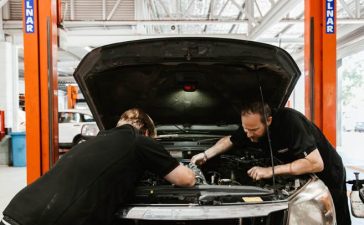
Luxury vehicles, in particular, present unique challenges in terms of maintenance and long-term care. The intricate engineering and cutting-edge systems in these cars call for specialized attention, and attempting DIY repairs can be both risky and costly. That’s why, for owners of pre-owned or high-value vehicles, partnering with professionals experienced in used luxury car repair ensures safety, longevity, and peace of mind. Regular inspections and preventative care can help preserve performance and value, while expert guidance keeps owners informed about evolving technologies. Investing in quality repair services ultimately protects both the vehicle and the driver’s long-term investment. With the right support, luxury car ownership can remain as rewarding and exciting as the vehicles themselves.
Autonomous Vehicles and Robotaxis
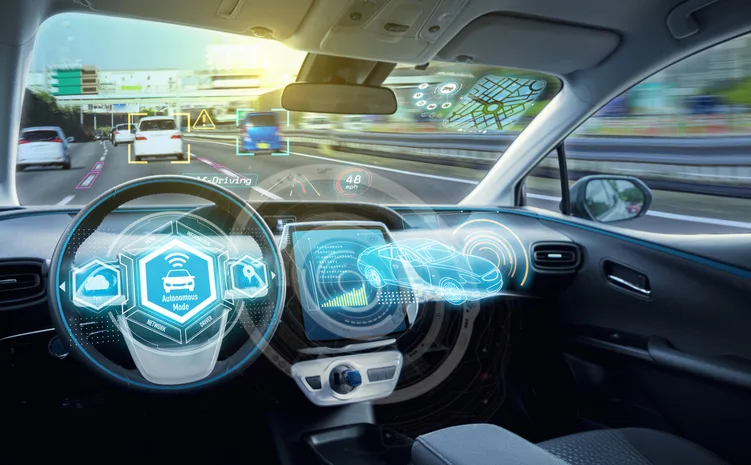
Self-driving technology is at the forefront of redefining the very nature of personal and shared mobility. Leading companies, such as Waymo, are investing significant resources in developing fully autonomous robotaxis that can safely navigate city streets with minimal to no human intervention. This technology holds out the promise of making transportation safer, potentially cutting accident rates by eliminating human error—a significant factor in most collisions. In addition to safety, autonomous vehicles could revolutionize mobility for seniors, individuals with disabilities, and those without ready access to private cars, opening up new possibilities for independent living. The vision for a “summon-anywhere” fleet, available at the tap of a smartphone, is fast becoming a reality. As these vehicles proliferate, they may fundamentally alter the need for private car ownership, particularly in urban or densely populated areas. By enabling on-demand, pay-per-use transportation, robotaxis could shift the concept of a privately owned car to one where mobility is consumed as a service. Industry analysts and regulators closely track this development, as laws and policies are crafted to navigate issues of safety, liability, and public readiness.
Connected Car Technologies
Vehicles equipped with internet connectivity and smart sensors are rapidly transforming how drivers interact with their cars and the broader digital landscape. Through systems that enable over-the-air software updates, vehicles can be continually improved or have bugs fixed without a visit to the service center. Modern infotainment systems bring real-time navigation, voice-activated assistants, and seamless integration with home devices and smartphones, making each trip more convenient and enjoyable. Additionally, connected technologies enable remote diagnostics, sending alerts about potential issues or necessary maintenance before problems become critical, thereby saving time and reducing the risk of major repairs. Features such as vehicle tracking, advanced anti-theft technology, and personalized in-car experiences are now increasingly standard, making driving more secure, comfortable, and efficient. TechRadar notes that these rapid digital updates also enhance the longevity and adaptability of vehicles, enabling them to keep pace with the fast-moving tech advancements. Customization—from preferred audio settings to individual climate zones—further enriches the user experience. At the same time, more intelligent scheduling of service keeps cars in top condition and helps owners avoid unexpected downtime.
Electric Vehicles and Sustainability
The transition to electric vehicles (EVs) is arguably the most significant shift in the automotive industry’s pursuit of sustainability. Whereas traditional gasoline engines emit pollutants and contribute to carbon footprints, electric vehicles are celebrated for their clean energy usage and efficiency. Advances in battery technology have expanded the range and reduced charging times, addressing the “range anxiety” that once hindered mainstream adoption of electric vehicles. With an expanding infrastructure of fast-charging networks emerging in cities and along highways, EVs are becoming a practical choice for both everyday drivers and long-distance travelers. Government incentives, tax credits, and stricter regulations on emissions are accelerating the uptake of electric cars by making them more affordable and attractive to a broad audience. Many automakers are now committed to phasing out internal combustion models in favor of electric and hybrid alternatives over the next decade. These trends are supported by year-over-year growth in adoption, indicating that electric cars may soon surpass their traditional counterparts in key markets. The ripple effects extend beyond the environment—EVs are also simpler to maintain, requiring fewer moving parts and less frequent servicing. All of these points point toward a cleaner, quieter, and more sustainable automotive future for everyone.
Subscription Models and Mobility-as-a-Service
In many cities, owning a car is no longer a straightforward economic or lifestyle choice. Subscription services and mobility-as-a-service (MaaS) platforms are emerging to offer unprecedented levels of flexibility in transportation. With a subscription, users can select different types of vehicles—ranging from sporty convertibles to practical SUVs—based on their current needs or preferences, while enjoying a fixed monthly cost that covers insurance, registration, and most routine maintenance. MaaS apps allow customers to plan, book, and pay for multimodal trips—combining rideshares, public transit, and micro-mobility options like scooters—in a single seamless process. This not only reduces the financial burden and commitment of ownership but also helps address urban challenges such as congestion and limited parking. These flexible models appeal to younger generations who value experiences over possessions, as well as to busy professionals who need convenient mobility options. By lowering the barriers to entry, car subscription programs are democratizing access to premium vehicles and fostering sustainability by maximizing resource utilization.
Advanced Safety Features
Automotive safety has advanced dramatically in the past decade. Today’s cars come equipped with an array of active driver-assistance systems (ADAS) that were once reserved for luxury models. Adaptive cruise control and automatic emergency braking rely on radar and camera arrays to maintain safe distances from other vehicles and react instantly to hazards, often preventing accidents before they occur. Lane-keeping assist detects unintentional lane departures and can gently steer the car back on track, an essential feature for long-distance commuters and highway drivers. Many vehicles also feature blind-spot detection, pedestrian alerts, and automatic high-beam adjustment to safeguard not only occupants but also vulnerable road users outside the car. Some systems now even enable limited hands-free driving in certain conditions. The proliferation of advanced safety features is making the roads safer for everyone and inspiring confidence in new car buyers. As insurers take note of the role these technologies play in reducing claims, some owners may benefit from decreased premiums as a direct result of tech-driven risk reduction.
Impact on Car Ownership Costs
While technology brings numerous benefits, it can also drive up the cost of owning a modern car. Advanced driver-assistance systems require sophisticated sensors and proprietary parts, often resulting in higher repair bills and complex diagnostics. Insurance companies are adapting their policies to cover new risks associated with connected technology, autonomous features, and the higher replacement costs of high-tech parts. At the same time, global supply chain challenges and tariffs on specific imported car components have contributed to the increase in vehicle prices and repair costs. Owners of premium or electric vehicles may need to factor in special handling for batteries, over-the-air updates, and proprietary branded maintenance. Savvy consumers must weigh not only the purchase price but also depreciation, potential tax incentives, charging infrastructure (for EVs), and long-term maintenance needs. As highlighted by Kiplinger, understanding the total cost of ownership is essential; keeping up with regular maintenance, considering certified pre-owned options, and shopping for insurance deals help manage expenses as technology continues to evolve.
Policy and Regulatory Changes
The rapid evolution of automotive technology has prompted policymakers to take swift action. As cars become increasingly connected and autonomous, questions about privacy, cybersecurity, safety, and liability take center stage. Regulators are working to develop standards to ensure that consumer data collected by vehicles—ranging from driving habits to personal communications and location history—is handled securely and transparently. These rules are constantly evolving as new tech emerges and as lawmakers weigh the trade-offs between fostering innovation and protecting consumers. In parallel, autonomous transport raises questions of road safety protocols, emergency response, and liability, with lawmakers racing to keep up with industry advancements. Regulatory agencies have also begun to set ambitious targets for emission reduction and the adoption of electric vehicles, seeking to accelerate the transition to low-carbon mobility while maintaining fair competition in the marketplace.
Conclusion
The future of car ownership is not just about the next generation of vehicles—it’s about a paradigm shift in how people experience and interact with mobility. Emerging trends, including autonomous vehicles, advanced connectivity systems, the electrification of drivetrains, and new access models, collectively contribute to a broader reimagining of the relationship between individuals and their vehicles. As this transformation accelerates, those who remain informed about the latest technological, regulatory, and financial developments will be best positioned to enjoy the benefits of the new automotive era. By embracing innovation while making prudent, well-researched decisions, car owners and drivers can confidently navigate the dynamic landscape ahead, ensuring safety, convenience, cost-effectiveness, and sustainability for years to come.