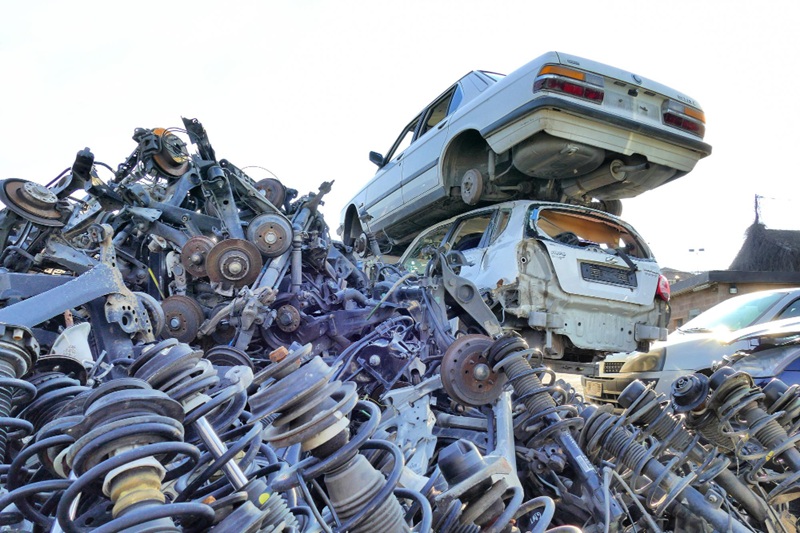

Choosing a scrapyard Singapore facility marks the final chapter in a vehicle’s lifecycle, yet this seemingly mundane transaction connects to larger questions about resource consumption, environmental stewardship, and how cities manage the material debris of modern life. In a nation that transformed from developing country to wealthy city-state in a single generation, the infrastructure for disposing of vehicles reveals much about Singapore’s approach to sustainability. The scrapyards scattered across this island represent more than mere repositories for unwanted metal; they function as essential nodes in a carefully orchestrated system designed to prevent automotive abandonment whilst recovering valuable materials.
The Regulatory Landscape
Singapore does not permit just anyone to operate a vehicle scrapyard. The Land Transport Authority maintains strict oversight, approving only facilities that meet specific environmental and operational standards. This regulatory framework emerged from practical necessity: an island of limited space cannot afford the environmental contamination that unregulated scrapyards typically generate.
Approved scrapyards must demonstrate capacity for:
- Proper handling and disposal of hazardous materials including battery acid, engine oil, and coolants
- Systematic dismantling procedures that maximize material recovery
- Adequate space for vehicle storage and processing
- Environmental protection measures to prevent soil and water contamination
- Proper documentation and reporting to authorities
You are required to submit proof that your car has been scrapped within a month of deregistering your vehicle. Failure to do so may result in prosecution, with potential imprisonment of 3 months or a fine of up to $2,000. This legal requirement ensures that vehicles actually reach authorized facilities rather than being abandoned.
What Happens Inside a Scrapyard
The process of transforming a functioning automobile into recyclable materials follows a methodical sequence. When a vehicle arrives at a Singapore scrapyard, it enters a disassembly line that strips away layers of complexity, reducing the machine to its constituent elements.
The initial stage involves fluid removal. Technicians drain engine oil, transmission fluid, brake fluid, coolant, and fuel, separating these substances for proper disposal or recycling. Battery removal follows, as lead-acid batteries require specialized handling to prevent environmental contamination whilst recovering valuable lead and plastic components.
Usable parts are then systematically extracted. Components that retain value in the second-hand market, such as engines, transmissions, alternators, and body panels, are removed, tested, and catalogued for resale. This secondary market provides affordable replacement parts for older vehicles, extends the useful life of manufactured components, and reduces demand for new part production.
What remains after parts removal proceeds to the crusher. The vehicle body, now stripped of fluids, batteries, and reusable components, gets compacted into dense blocks of mixed metal that can be transported efficiently to recycling facilities.
The Economics of Scrapping
The body value that scrapyards offer vehicle owners reflects current commodity prices, parts demand, and operational costs. Several factors influence these valuations:
- Global metal prices: Steel and aluminium prices fluctuate based on international supply and demand
- Vehicle make and model: Popular models with high parts demand command better prices
- Vehicle condition: Cars with intact, functioning components offer more salvage value
- Current inventory: Scrapyards already holding many similar vehicles may offer lower prices
This explains why body value quotations vary between facilities. A scrapyard singapore owner specializing in Japanese vehicles might offer more for a Toyota than one focused on European makes.
Environmental Implications
The environmental dimension of vehicle scrapping extends beyond preventing abandonment. Older cars produce higher emissions, consume more fuel, and leak more fluids than modern equivalents. Their removal from Singapore’s roads contributes measurably to air quality improvements. New registrations of diesel cars and taxis will cease from 2025 to pave the way for greener vehicles, accelerating fleet modernization.
Singapore’s policy prioritizes urban air quality and traffic management, a choice that reflects local environmental priorities.
Selecting the Right Facility
Vehicle owners face practical decisions when choosing amongst approved scrapyards. The LTA website provides a current list of authorized facilities, ensuring legitimacy and regulatory compliance. Beyond this basic verification, several factors merit consideration:
- Location and vehicle condition: Non-running vehicles require towing services, making proximity relevant
- Quotation transparency: Reputable facilities provide clear breakdowns of offered amounts
- Processing timeframe: Some scrapyards process documentation faster than others
- Reviews and reputation: Previous customer experiences offer insights into reliability
Comparing quotations from multiple facilities typically reveals price variations of several hundred dollars, making this research financially worthwhile.
The Larger Context
Walking through a Singapore vehicle scrapyard reveals the material reality underlying automotive ownership. The stacked car bodies, the pools of drained fluids, the mountains of extracted parts all testify to the resource intensity of personal transportation. Each crushed vehicle represents thousands of litres of petroleum refined into plastics and fuels, tonnes of metal extracted from distant mines, and countless hours of manufacturing labour.
Singapore’s scrapyard system, with its environmental standards and mandatory participation, represents an attempt to manage this material flow responsibly. The regulations prevent the worst outcomes whilst ensuring resource recovery. Yet the fundamental tension remains: a wealthy society’s appetite for personal vehicles creates a continuous stream of machines requiring disposal.
For vehicle owners navigating the end of their car’s life, understanding the role and function of authorized facilities transforms an administrative requirement into a considered choice. The system works because individual decisions, guided by financial incentives and regulatory requirements, aggregate into outcomes that serve broader societal goals. The scrapyard singapore infrastructure represents this intersection of personal interest and collective management, where the end of one vehicle’s journey contributes materials for the next cycle of production and consumption.